Our First Bookshelf Post!
The Bookshelf- Make More S'mores, The Bad Seed, Hike and more...
BOOKSHELF
4/11/20266 min read


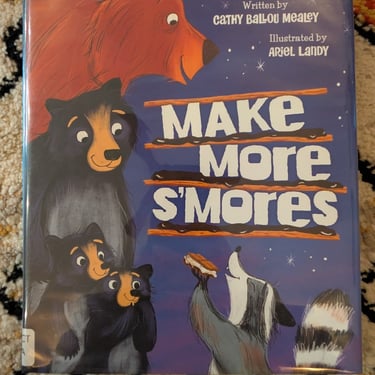
Make More S'Mores
Author: Cathy Ballou Mealey
Illustrations: Ariel Landry
Themes: Hospitality, Flexibility, Sharing, and Camping
Ages: 4–8
The Story
Roscoe the Raccoon has a simple, delicious plan: build a campfire and enjoy a s’more. But when Grizzly Bear—and a growing parade of woodland guests—arrives, Roscoe’s quiet evening turns into a lesson in hosting. Written in a playful, rhythmic rhyme, this story follows Roscoe as he pivots from his own plans to ensuring everyone else is fed. It’s a lighthearted look at how a "change in plans" can lead to a tired but happy heart.
The Art
Ariel Landry’s digital illustrations are bold, bright, and full of personality. The character designs are expressive, capturing Roscoe’s initial surprise and eventual contentment. The warm glow of the campfire creates a cozy feel that will make any child want to grab a marshmallow and join the circle.
Discussion Starters
Emotional Discovery: Roscoe had a plan for himself that changed. Have you ever felt frustrated when things didn't go your way? How did Roscoe feel at the end?
The "Inner Self" Connection: What does it feel like deep down when you do something kind for a friend, even if it means you have to wait your turn?
Nature Skills: If you were hosting a campfire for friends, what "treasures" from the forest (or the kitchen!) would you share?
Best For
A high-energy read-aloud before a backyard fire pit, or as a gentle way to talk about flexibility and the joy of hospitality when plans unexpectedly shift.
Ranking Scale
🌱 Seedling
A charming, simple story with great potential for teaching young children about the "inner sprout" of kindness. It’s a sweet, rhythmic addition to any adventurer’s bookshelf.
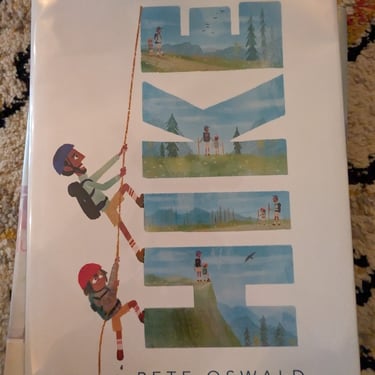
Hike
Author/Illustrator: Pete Oswald
Illustrations: Soft, textured watercolors and mixed media
Themes: Family Bonding, Resilience, Stewardship, and Tradition
Ages: All ages (Best for 4+ for deeper discussion)
The Story
A cinematic, wordless journey that follows a father and son as they swap the city skyline for the mountain air. This "Journey Narrative" captures every stage of a great adventure—from the early morning drive and the thrill of spotting bear tracks to the quiet triumph of planting a sapling at the summit. It’s a beautiful tribute to the small, shared moments that build a lifetime of memories.
The Art
Pete Oswald’s watercolor illustrations do all the talking. The palette shifts from the muted tones of the city to the vibrant, expansive tones of the wilderness. Because there are no words, the "visual storytelling" is easy for even the youngest readers to follow, allowing them to point out details like the texture of the log bridge or the spray of the waterfall (Jasper thought it was rain in one of the pictures).
Discussion Starters
Emotional Resilience: How do you think the son felt when they had to cross the log over the river? What helped him feel brave?
Giving Back: Why did the father and son plant a tree at the top of the mountain? How can we help the forest when we visit?
Reflection: Why is it fun to look at the family album at the end of the day?
Best For
Preparing for a first big family hike, a special Father’s Day read, or a quiet bedtime story to help children reflect on their own "daily adventures."
Ranking Scale
🌲 Summit
While it is an engaging Sprout for any reader, it reaches Summit status as a definitive father-and-son classic. It perfectly mirrors the "Sprout and Summit" mission of finding big ideas in the great outdoors
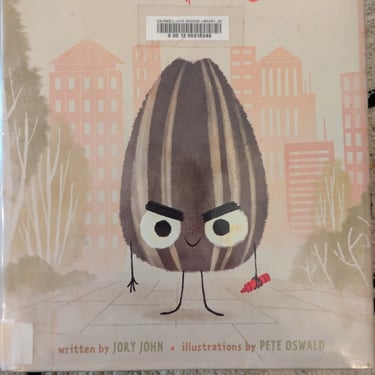
The Bad Seed
Author: Jory John
Illustrations: Pete Oswald
Themes: Perspective, Self-Regulation, Emotional Growth, and Resilience
Ages: 4–8
The Story
The "Bad Seed" wasn't always bad. After a series of harrowing events—falling from his sunflower and a near-miss with a hungry human—he decided that being "bad" was his only option. But the heart of this story is about the quiet, powerful moment when he decides he doesn't want to be grumpy anymore. It’s a realistic look at personal growth; he doesn't become "perfect" overnight, but he makes the conscious effort to be a "better seed." It’s a fantastic metaphor for how our environment might shape us, but it doesn’t have to define us.
The Art
Pete Oswald uses a blend of watercolor and digital textures to give the Bad Seed an incredible range of expressions. From the hilarious "tough guy" scowl to the softer, more open looks as he begins to change, the art makes the seed’s internal journey visible to young readers. The illustrations are witty and intentional, allowing the "big ideas" of the text to really breathe.
Discussion Starters
The "Inner Self" Connection: The seed says he became bad because of things that happened to him. Have you ever felt like a "bad seed" when you're having a hard day?
Small Steps: The seed says he can’t change everything at once. What is one small thing we can do today to feel a little bit "better"?
Empathy: How do you think the other seeds felt about him at the beginning versus the end?
Best For
Planting the initial seeds of character growth and personal development. It’s a must-read for children (and adults!) who need a reminder that we are always allowed to change our minds about who we want to be.
Ranking Scale
🌱 Sprout
While it is deeply "Meaningful" (like a Sprout), its strength lies in its simplicity—it provides a clear, charming foundation for a child to start their own journey of self-improvement in an approachable way. It's a favorite with my children, demonstrating how well it resonates with kids.
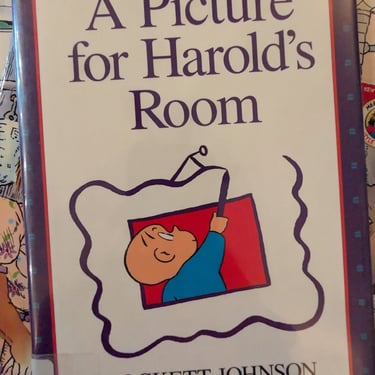
A Picture for Harold's Room
Author/Illustrator: Crockett Johnson
Themes: Journey Narrative, Imagination, Perspective, and Creativity
Ages: 4–8 (Especially resonant for the 4–6 "magical thinking" stage)
The Story
Harold is back with his trusty purple crayon, but this time his journey begins with a simple desire: he wants a picture for his room. As he draws, he steps into his own creation, discovering how his perspective changes as he moves through the world he’s built. From becoming a giant among miniature mountains to shrinking down beside a daisy, Harold’s adventure is a beautiful metaphor for how art and imagination allow us to create and transform the space around us.
The Art
The beauty of this book lies in its signature simplicity. Using only black ink for Harold and bold purple lines for his creations, the illustrations mimic a child’s own drawing style. This minimalist approach is intentional; it strips away the noise and focuses entirely on the act of creation, making the magic of the crayon feel accessible to every child who picks up a pencil (Jasper commented that his crayon is "magic").
Discussion Starters
The "Inner Self" Connection: Harold creates the world he wants to see. If you had a magic purple crayon, what would you draw to make yourself feel happy or safe in your room?
Perspective: How did Harold feel when he was bigger than the mountains? How did he feel when he was smaller than the bird?
Creative Courage: Harold isn't afraid to draw over his mistakes or change the path of his journey. How can we be "brave" like Harold when we are trying something new?
Best For
Bedtime reading when you want to spark "sweet dreams" of adventure, or as an inspiration piece before a family art session. It’s a fantastic bridge for older kids to discuss the concept of imagination, while younger readers will simply be captivated by the "magic" of the purple line.
Ranking Scale
🌿 Sprout
This is an engaging and meaningful read. Its slow pacing and inspirational message naturally draw readers toward the rest of the Harold series, making it a staple for any growing reader.
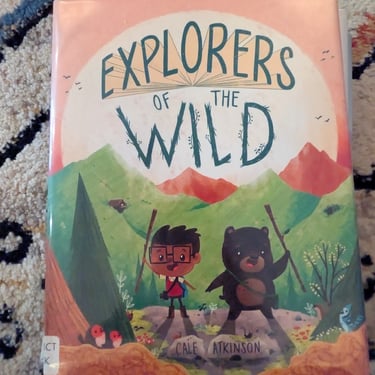
Explorers of the Wild
Author/Illustrator: Cale Atkinson
Themes: Journey Narrative, Friendship, Bravery, and Preparedness
Ages: 3–6 (A perfect "quick-read" for younger adventurers)
The Story
What happens when a boy and a bear both decide it’s a perfect day for an adventure? This vibrant journey narrative follows two separate explorers as they head into the woods, checklists in hand, ready for anything. When they literally bump into each other, the initial "scare" quickly turns into a shared mission. It’s a lighthearted, rhythmic tale that celebrates the joy of finding a kindred spirit in the great outdoors and reminds us that adventures are often better when shared.
The Art
The illustrations are bold, saturated, and full of energy. While the medium appears to be digital, the textures feel organic and "outdoorsy." The bright pops of color and expressive characters make it a visually engaging experience for toddlers and preschoolers, capturing the excitement of a forest filled with possibilities rather than shadows.
Discussion Starters
Preparedness: Both explorers had a list of things to bring. What would you put in your backpack for a "big adventure" in the woods?
First Impressions: The boy and the bear were scared of each other at first. Why do you think that was? How did they become friends?
The "Inner Self" Connection: Sometimes we feel small when we are by ourselves, but how does it feel when you have a friend by your side?
Best For
A high-energy read-aloud before a first camping trip, a hiking group gathering, or as part of an outdoor classroom curriculum. It’s a wonderful "bridge" book to get kids excited about exploring their own backyards.
Ranking Scale
🌱 Seedling
A "cute and fun" story with beautiful nature-themed imagery. While it keeps things light, it provides a charming and simple foundation for talking about friendship and the harmony between humans and the wild.
Weekly Read-Alouds: Best Friends and Big Milestones
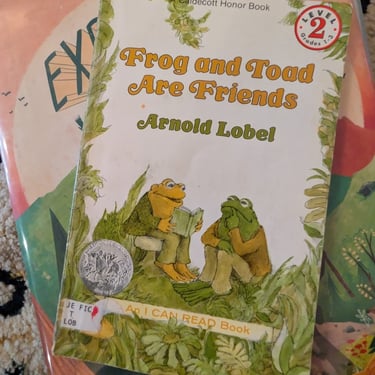
Frog and Toad Are Friends (An I Can Read Book)
By Arnold Lobel
As a Caldecott Honor classic, this was at the top of our stack this week. Rather than following one specific theme, this book is a delightful compilation of the silly, everyday adventures shared by two best friends. Because the stories are so deeply character-driven, they feel like a window into a genuine friendship. It was a fantastic read-aloud choice that kept us all laughing through every chapter.